
Image
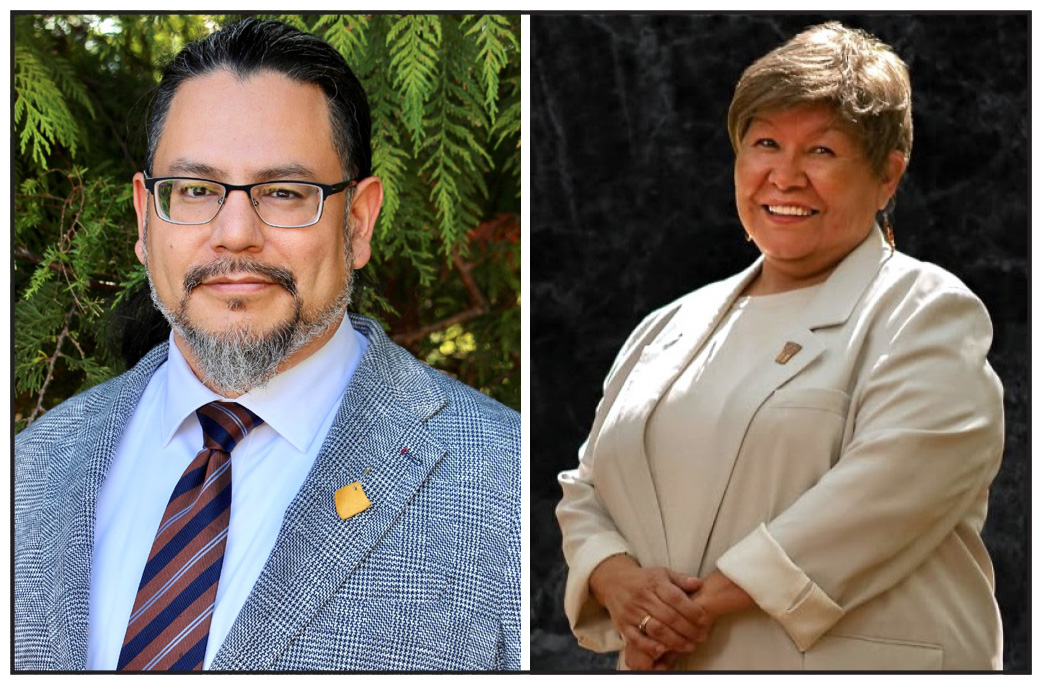
Image Caption
Local Journalism Initiative Reporter
Windspeaker.com
For the Nisga’a Nation, holding Canada to its treaty promises can mean spending time and money that could otherwise support programs and services for its citizens.
Modern treaty leaders say an independent federal watchdog could help change that.
Bill C-10, the proposed Commissioner for Modern Treaty Implementation Act, passed third reading in the House of Commons Sept. 21 and received first reading in the Senate Sept. 28.
The bill is awaiting second reading in the Senate. It requires Senate approval and Royal Assent before a commissioner’s office can be established.
In a Sept. 23 release from the Land Claims Agreements Coalition (LCAC), Nisga’a Nation President and LCAC co-chair Eva Clayton said “The Commissioner will bring much needed oversight to the implementation of our constitutionally protected agreements and help ensure that they are fully honoured.”
In earlier written responses to Windspeaker, Clayton described what inconsistent implementation costs her Nation.
“When modern treaties are implemented inconsistently, the consequences are real: increased disputes, greater reliance on litigation, avoidable expenses, among other things. All of this diverts important resources away from our nation and the programs and services for our citizens,” she said.
Keeping resources in communities
The Nisga’a Final Agreement came into effect in May 2000 after decades of negotiations. Securing an agreement did not end the work of ensuring federal institutions respected it, Clayton explained.
“For example, certain departments continue to disregard our constitutionally-protected fishing rights and — despite our pleas — continue to take actions that have the potential to seriously impact our fishing rights,” she wrote.
Clayton argued that uncertainty over implementation can undermine the stability the treaty was intended to provide.
Bill C-10 is intended to address those concerns by creating an independent commissioner to conduct reviews and performance audits of how federal departments fulfil their modern treaty obligations.
Modern treaties define land and resource rights. Bill C-10 defines them as treaties that came into force after 1974.
According to the coalition’s Sept. 23 release, 27 modern treaties covering about 45 per cent of Canada’s land and sea mass have been concluded. In those written responses to Windspeaker, Clayton described more than 8,000 obligations spread across approximately 30 federal departments and agencies. Each unresolved obligation can require attention from people already responsible for governing their communities.
Before Bill C-10 passed the House of Commons, John Alan Jack had raised concerns about the time and resources Nations spend on that work. Jack is the elected chief councillor of Huu-ay-aht First Nations, one of five First Nations covered by the Maa-nulth treaty on Vancouver Island. He described how Nations repeatedly have to explain what their treaties require as federal officials and political leaders change.
“We lose a lot of time and a lot of resources on re-educating different political leaders, different administrative leaders, different bureaucratic leaders on the nature of the treaty,” Jack told Windspeaker.
His hope was that a commissioner could make treaty knowledge a routine part of federal administration, reducing the time Nations spend re-establishing what their agreements require.
“That would save us so much time,” he said.
Jack’s hope of seeing the bill reach third reading has now been met. The Standing Committee on Indigenous and Northern Affairs reported Bill C-10 without amendment in March, and the House completed report stage in April before passing it in September.
Tabled Aug. 19, the federal government’s fifth annual report on implementing the United Nations Declaration on the Rights of Indigenous Peoples Act covers April 2025 to March 2026. Its modern treaty section records LCAC members’ disappointment with progress in 2025 on the act’s action plan measures. Members called for action across government to address systemic implementation gaps, while some sought to have missing priorities included when the plan is renewed.
The report also cites the Maa-nulth Treaty Society’s call for “building long-term relationships and capacity by assigning well-informed and committed staff to these files,” echoing Jack’s concerns. The report identifies Bill C-10’s advancement as progress toward independent oversight and federal accountability to Parliament.
Crown-Indigenous Relations and Northern Affairs Canada is also revising the Cabinet directive that guides how federal departments implement modern treaties. Its 2026-27 departmental plan says the work involves treaty partners and more than 45 federal departments and agencies, with drafting underway and further engagement needed.
How accountability would work
During earlier committee hearings, Conservative MPs questioned whether the proposed office would have sufficient enforcement powers and resources to produce meaningful change.
Clayton supports the bill as drafted.
“Bill C-10 includes all of the powers that the office of the Commissioner needs to have in order to be effective,” she wrote.
The commissioner would also be entitled to require federal institutions provide information, reports and explanations needed to carry out the office’s work. The bill would require co-ordination with the Auditor General to avoid unnecessary duplication.
Federal departments and agencies reviewed or audited by the commissioner would have to respond in writing to preliminary findings and recommendations by a deadline the commissioner sets. Their responses would appear alongside the commissioner’s assessment in the final report to Parliament.
Parliamentarians and treaty partners could then examine both the findings and departments’ explanations to see where Canada was meeting its treaty obligations and where it was falling short.
Clayton described the office as a source of impartial expertise whose work could help identify systemic barriers before disputes became more costly.
“The Commissioner is independent from both Canada and Indigenous Modern Treaty Partners,” she wrote.
The proposed office would not administer government programs or determine government policy, Clayton explained. Existing treaty dispute-resolution processes would remain available.
Jack said the reports could give opposition MPs, treaty partners, the media and the public a basis to question ministers about unmet treaty obligations and press for action.
He also described treaty partners receiving the findings directly, giving Nations an independent assessment to bring into discussions with Canada. Jack argued that this could encourage negotiations before disputes reach court, reducing the time and money spent pursuing a court case that may ultimately require the parties to negotiate anyway.
“Often, court cases result in a court mandate to negotiate,” he said.
The Senate and the work ahead
Gloria Uluqsi, Nunavut Tunngavik Incorporated president and LCAC co-chair, welcomed Bill C-10’s House passage.
“For Nunavut Inuit, the work of implementing our Agreement is far from finished,” she said in the Sept. 23 release.
“Bill C-10 gives us another important tool to advance the full implementation of the Nunavut Agreement and hold Canada accountable for the commitments it made to Inuit. I encourage Senators to pass this legislation so we can put this important tool to work for Inuit.”
The coalition urged senators to pass the co-developed legislation without delay.
The coalition formed in 2003 and began advocating for independent oversight soon afterward. An earlier version, Bill C-77, died when Parliament was prorogued in early 2025. Bill C-10 was introduced that September, restarting the legislative process.
Before Bill C-10 passed the House of Commons, Clayton described treaty partners’ role in developing the legislation.
“The Nisga’a Nation, along with other Indigenous Modern Treaty Partners, co-developed Bill C-10,” she said. “Co-development went well beyond consultation.”
The minister responsible for the act would consult Indigenous modern treaty partners before recommending a commissioner. Parliamentary leaders would also be consulted, and both the Senate and House of Commons would have to approve the appointment.
The governor general would appoint the commissioner on Cabinet’s advice, taking the candidate’s modern treaty knowledge and experience into account. The commissioner could serve up to seven years and be reappointed once.
If the bill becomes law, the next task would be getting the office running. The coalition’s Sept. 23 release does not specify when it should open, how many staff it should have or its annual budget.