
Image
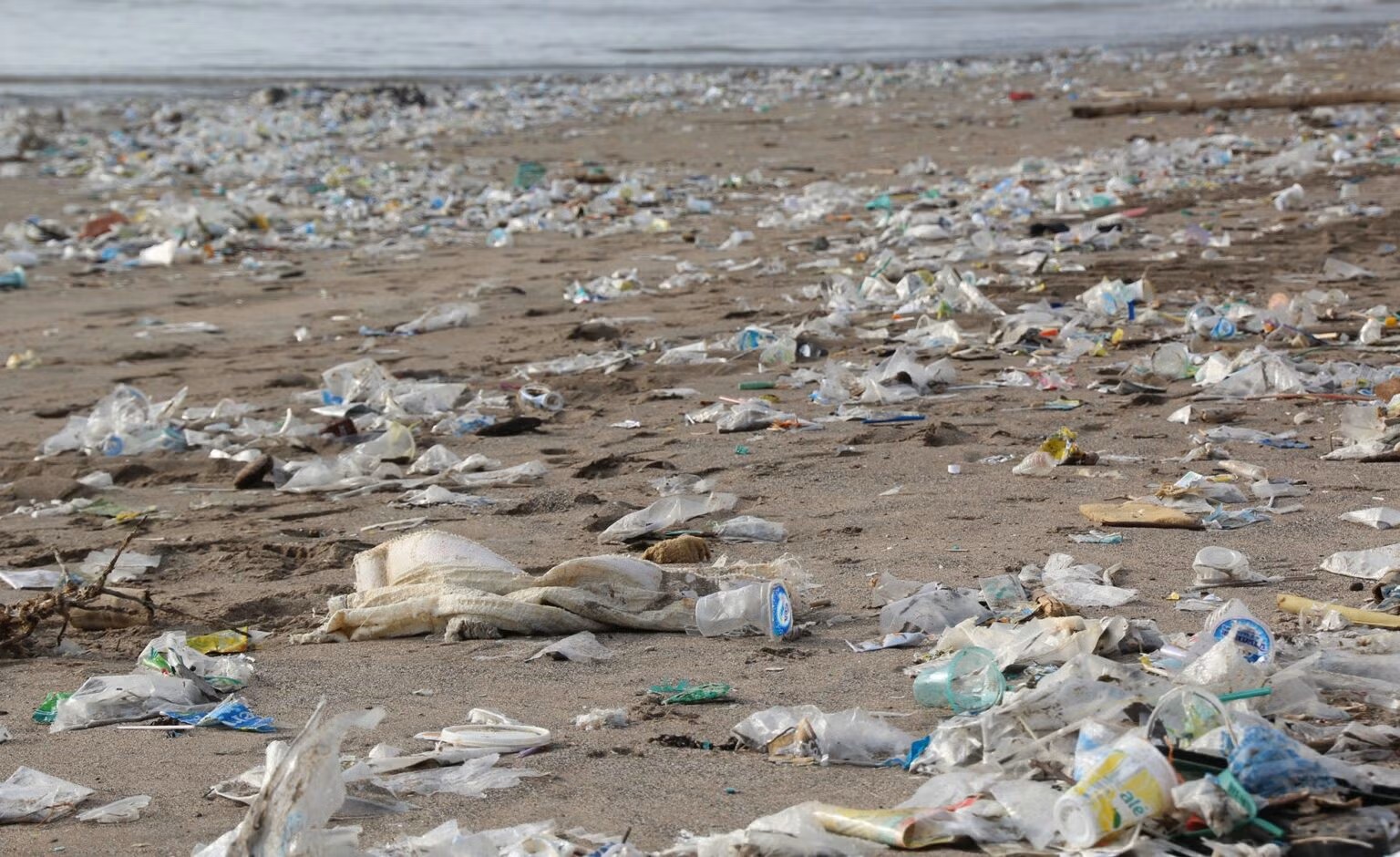
Image Caption
Local Journalism Initiative Reporter
Windspeaker.com
Six Indigenous-led projects have been approved for nearly $2.4 million in new federal research funding to study the social, cultural and economic impacts of plastic pollution on Indigenous communities.
Only eight per cent of Canada's four million tonnes of annual plastic waste is currently recycled, reads a report on the Oceana website.
Indigenous communities have identified increasing plastic contamination concerns in local waterways, on shorelines and in food systems of remote northern areas where waste management and transportation challenges increase environmental pressures, said Nathan Pritula, Environment and Climate Change Canada's manager of science policy.
“Advancing research partnering with Indigenous groups helps to improve our understanding of how plastics and microplastics move through the environment and food webs,” he said, asserting that community-driven research will enhance local capacity for environmental stewardship, monitoring and decision making.
“We need to keep pace with the evolving nature of the challenge, reflecting Indigenous priorities, lived experiences, stewardship practices and knowledge systems,” said Pritula. “There are definitely linkages that can be made from the research here to the international effort to develop a legally binding instrument to reduce plastics pollution.”
Scientists are only beginning to understand the pervasive extent to which toxic microplastics are infiltrating the brains, lungs and reproductive organs of both humans and wildlife. Studies have found that our brains are accumulating as much as 10 or 20 times more plastic as other organs with recent quantities measured at 50 per cent higher than samples collected in 2016, reads a report from the David Suzuki Foundation website.

From the extraction of fossil fuels for plastic production to the widespread dispersal of tiny microplastics and invisible nanoplastics in the natural environment, Indigenous peoples are disproportionately impacted at every stage of the plastic life cycle, said Lynn Konwaia’tanón:we’s Jacobs, who embarked upon a PhD at McGill University two years ago to study its impacts on Indigenous peoples worldwide. Her research with Dr. Nil Basu is one of the newly funded projects.
“These new grants will allow us to go beyond the research I've been doing in my own community, involving other students to look at what's happening in Canada around plastic pollution and policy,” Jacobs said. “Its aim is to build a national conversation in First Nation communities around what people are seeing in their territories.”
Having worked for more than two decades on land and water stewardship initiatives, Jacobs said she has long had concerns about the fumes from a nearby plastic recycling plant and the pollution of tire particles from vehicles passing every day through her Kahnawà:ke (Mohawk) community over the bridge to neighbouring Montreal.
With microplastics being found in even the planet's farthest reaches, Jacobs worked with Indigenous peoples around the world to help found the International Indigenous Peoples' Forum on Plastics, advocating for their active participation in the development of a Global Plastics Treaty.
“The treaty was supposed to be concluded in 2024 but there's such a blockage of progress from the petrol industry,” said Jacobs.
“The goal must be to curb plastic production. We can't even deal with all the legacy plastic that exists. It just breaks down into smaller and smaller pieces. Plastic knows no boundaries.”
Jacobs wants to elevate Indigenous rights and knowledge in the creation of legally binding targets that eventually phase out plastic production globally. Her team has partnered with the Assembly of First Nations (AFN) to develop a national network that addresses barriers to Indigenous participation in plastics governance. She will share her insights at an AFN climate change gathering to be held in Hamilton this October.
“We'll be trying to synthesize the research out there and map out where the gaps are,” Jacobs said. “Trying to create a research hub at McGill, using Indigenous science and practices to think about the problem in a different way. I think we'll see more and more Indigenous-led research on this problem.”
Newly funded projects include community-based research in Vuntut Gwitchin First Nation in the Yukon, BC's Tsilhqot'in Nation and Indigenous communities across Manitoba. Other initiatives will bring together scientists with local artists and community members to build awareness through art.
“By harnessing the power of art to investigate plastics pollution — while also informing communities and the broader public of its harms — As It Melts will help people imagine cleaner, safer and more sustainable futures for our lands and waters,” said Inuk scholar and art historian Heather Igloliorte.
Another project based in Arviat, Nunavut hopes to inspire awareness and activism through youth-driven art. This summer, community members will map where plastics are found around Arviat, culminating in a collaborative installation that will be a focal point for discussion.
“This is a community awareness project to get people thinking about how we could be addressing the widespread impacts of plastics in our community,” said Shirley Tagalik. “Young people will be analyzing where (the plastics) come from, how pervasive they are, what are the impacts of plastics leaching into the environment or living in our dump forever.”
As chair of Aqqiumavvik Society, an alliance of public, mental and community health groups in Arviat, Tagalik has been a longtime leader of Inuit food security, family wellbeing and youth programs. Before budget cuts at Environment Canada, the organization had engaged in two projects looking at microplastics in the marine environment. With changing goose migration patterns creating an overpopulation in the area, the study compared plastics found in geese to other waterfowl in the region to assess their safety for consumption.
“We started testing the soil around nests, tissue samples and eggs to see if there was microplastic content,” Tagalik explained. “We've had a focus on our goose population and the level of microplastics was low. We were hoping to gain more information from a variety of seabirds, but we have no core funding.”
Many Indigenous communities have expressed interest in testing locally for microplastics but have been limited by the high cost of lab analysis. Tagalik said they hope to find a research partner that can test samples of popular traditional foods such as beluga, seal and caribou that their organization collects.
Leveraging the consensus-building aajiiqatigiingniq research methodology, Aqqiumavvik has been promoting community self-reliance through several programs emphasizing traditional knowledge and adaptation to a changing climate. The arrival of Inuit Nunangat University's primary campus in 2030 is anticipated to bring new facilities and investigative opportunities to Arviat.
“With climate change, we're continually facing new contexts that we need to be able to adapt to,” said Tagalik. “Whenever challenges come upon us, that's where the work will head. Those projects will equip our youth for protecting their communities, not just learning cultural expectations around environmental sustainability but also a whole lot of science.”